

The political framing writes itself. Sovereignty versus pragmatism. Independence versus integration. The UK government has proposed legislation that would allow it to adopt EU single market rules through secondary legislation, bypassing the normal process of full parliamentary scrutiny. Critics call it a betrayal. Supporters call it common sense. The debate generates enormous heat. And it is almost entirely beside the point.
Brexit created a psychological identity crisis in British politics, one that makes pragmatic trade policy emotionally impossible. The result is a country trapped between expensive symbolism and economic reality, forced to choose between performing sovereignty and exercising it. That tension, not food labels or veterinary inspections, is what this legislation is actually about.
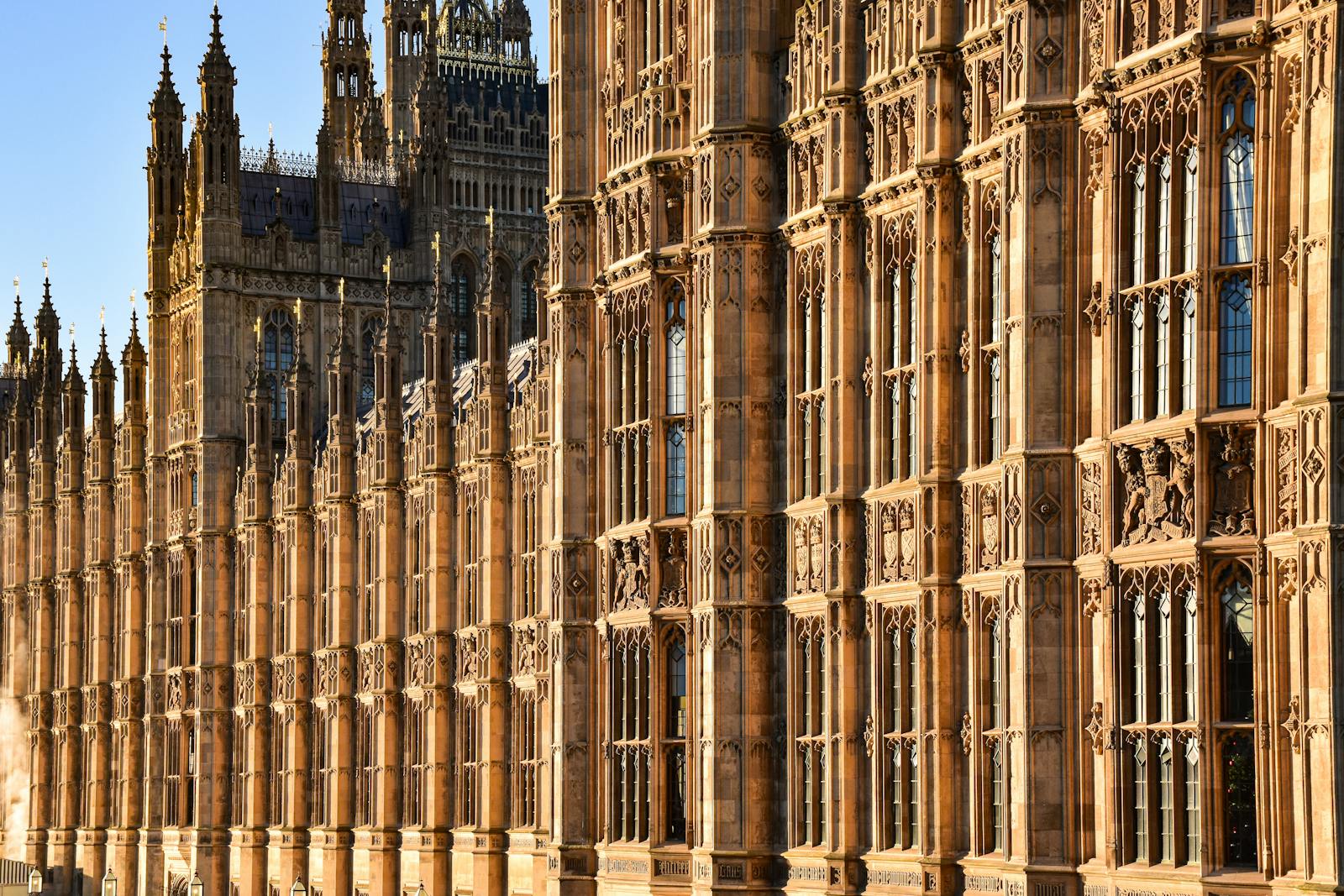
Consider what the proposal actually does, stripped of the rhetoric. It creates a fast-track mechanism for adopting regulations that UK businesses already comply with if they want to sell into European markets. The EU single market is an agreement that enables goods, services, and people to move freely between member states, with countries applying common rules and standards. For exporters, those standards are not optional. They are the price of entry.
Here is the pattern that has repeated since the UK left the EU: companies adopt EU standards voluntarily because they need European customers. They fill out the extra paperwork. They pay for duplicate inspections. They absorb costs that their competitors in EU member states do not face. The regulations are identical. The friction is not. A lamb producer in Wales who wants to sell to France must meet the same EU food safety standards whether or not Westminster formally recognizes them. The only difference is whether that producer navigates one compliance system or two, whether one set of inspections suffices or a second must be paid for. What the government is proposing is to formalize what is already happening informally, to remove the duplicate machinery around an outcome that does not change.
This is where the psychology of political identity twists the conversation beyond recognition. Research suggests that people evaluate policy proposals not on their technical merits but on what accepting or rejecting them says about who they are. Brexit was, and remains, an identity marker. For a significant portion of the electorate, any movement toward alignment with EU rules triggers a threat response that has nothing to do with food labeling or veterinary inspections. The feeling is genuine. It is also disconnected from the mechanical reality of international trade, where rule convergence between major trading partners is standard practice, not an act of submission.
The language of political movements ages poorly. “Take back control” was a masterwork of emotional compression. It packed economic anxiety, cultural resentment, and democratic aspiration into three words. But control, as a governing principle, turns out to be more complicated than control as a slogan. The UK controls whether to adopt EU standards. It also faces the consequences of not adopting them, measured in lost trade, higher costs, and businesses frozen in permanent uncertainty.
Labour’s position is a case study in political contortion. The party has ruled out rejoining the EU single market or customs union. But it is proposing to adopt specific European regulations under bilateral deals, using a mechanism that limits parliamentary input. The distinction between being in the single market and choosing to follow single market rules in specific sectors is legally meaningful and emotionally almost invisible.
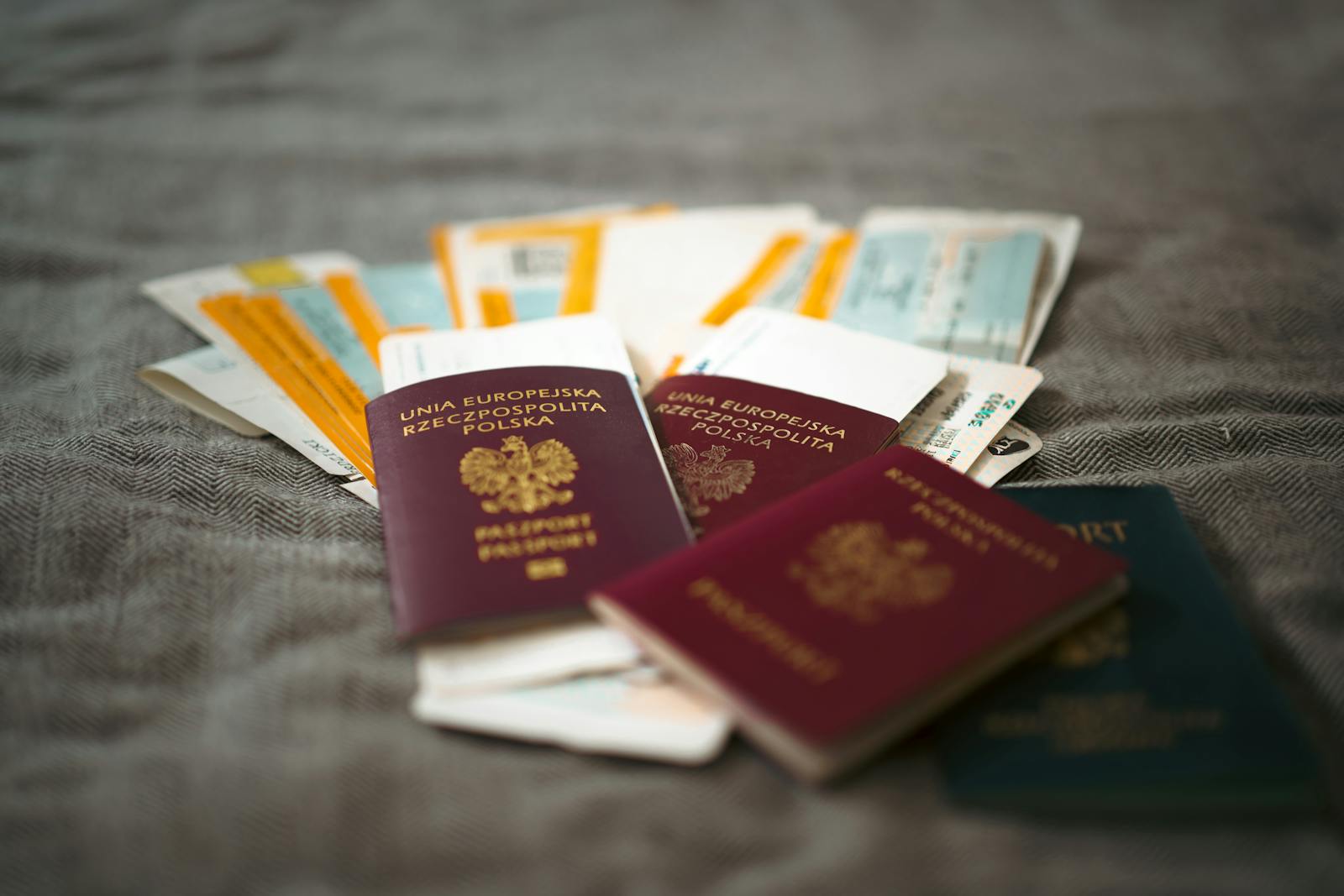
The complaint about Parliament being reduced to a spectator is worth taking seriously on its own terms. Democratic scrutiny matters. Secondary legislation does limit debate. But the specific concern here is not really about process. If the government proposed to adopt Australian food safety standards through the same mechanism to facilitate a trade deal with Canberra, the outcry would be a fraction of the volume. The process would be identical. The political charge would be entirely different. Britain did not fight a decade-long culture war over Australian regulatory alignment. The word “Brussels” does not carry the same emotional weight as “Canberra.” The mechanism matters less than what it symbolizes, and what it symbolizes depends almost entirely on which story you have been telling yourself since 2016.
The context is that Britain’s relationship with Europe remains an open wound in its political culture. Every adjustment, every pragmatic accommodation, gets refracted through the prism of a referendum that was fundamentally about identity. The people who see this legislation as betrayal and the people who see it as common sense are both responding to the same facts. They are processing them through different emotional architectures. This pattern, where the practical and the symbolic occupy the same policy space but speak different languages, shows up everywhere in post-Brexit governance. Simplification promises tend to collide with operational reality. The gap between what a policy means on paper and what it means in people’s heads is not a bug. It is a permanent feature of democratic life after an identity-defining vote.
Business owners in the export sector do not care about symbolism. They care about whether a shipment gets held at Calais for three days while paperwork is verified. They care about whether they need two separate quality assurance processes or one. They care about the £5.1 billion that a proposed food and drink trade deal represents. These are not abstract numbers. They translate into jobs, into whether a factory in rural Wales stays open or closes, into whether a 23-year-old with a food science degree can find work within 50 miles of where she grew up.
The government’s framing of this legislation as cost reduction is accurate but incomplete. It is also an act of political identity management. By insisting this represents a sovereign choice rather than a concession, Labour is trying to keep alive something that the facts keep trying to bury: the idea that regulatory alignment is compatible with the Brexit narrative.
Leave voters are not wrong to feel that something is being lost. The promise of Brexit was a story about self-determination, about a country charting its own course. That story had real power. It moved millions of people to vote for something they believed in. The uncomfortable truth is that self-determination in a world of interconnected trade means choosing which rules to follow, not whether to follow rules at all. Every trade deal is a sovereignty bargain. You give up some freedom of action in exchange for market access. This was true inside the EU. It is true outside the EU. The mechanism is different. The destination is remarkably similar.
There is a concept in behavioral economics called the “sunk cost fallacy,” where people continue investing in a course of action because of what they have already committed, not because of what the future costs and benefits actually look like. Brexit consumed enormous political capital, personal conviction, and national energy. Acknowledging that regulatory alignment with the EU might be practically necessary after all that investment feels like admitting the investment was wasted. It was not wasted. It was a genuine democratic expression. But democratic expressions do not exempt a country from the physics of trade.
UK exporters will configure their operations to EU specifications, because that is where their customers are. Whether the government formalizes this reality through secondary legislation or forces them to manage it privately through duplicate compliance systems changes their costs but not their behavior. The regulations reach them either way. They are structural features of the market they operate in, not political choices they get to opt out of.
The debate in Parliament will be about sovereignty. The debate in boardrooms will be about margins. The debate in kitchens will be about the price of food. These are three versions of the same conversation, conducted in different vocabularies, arriving at different emotional conclusions from identical facts.
Britain voted to leave the European Union. It did not vote to leave the European economy. The distance between those two things turns out to be where all the difficulty lives. Years of post-Brexit governance have demonstrated, repeatedly, that political separation and economic entanglement are not opposites. They coexist, uncomfortably, expensively, and permanently. The legislation now proposed is simply the latest attempt to manage that coexistence with less waste and more honesty. But honesty is precisely what an identity crisis cannot tolerate. And so the argument will continue, not because the answer is unclear, but because the question was never really about food labels in the first place.