
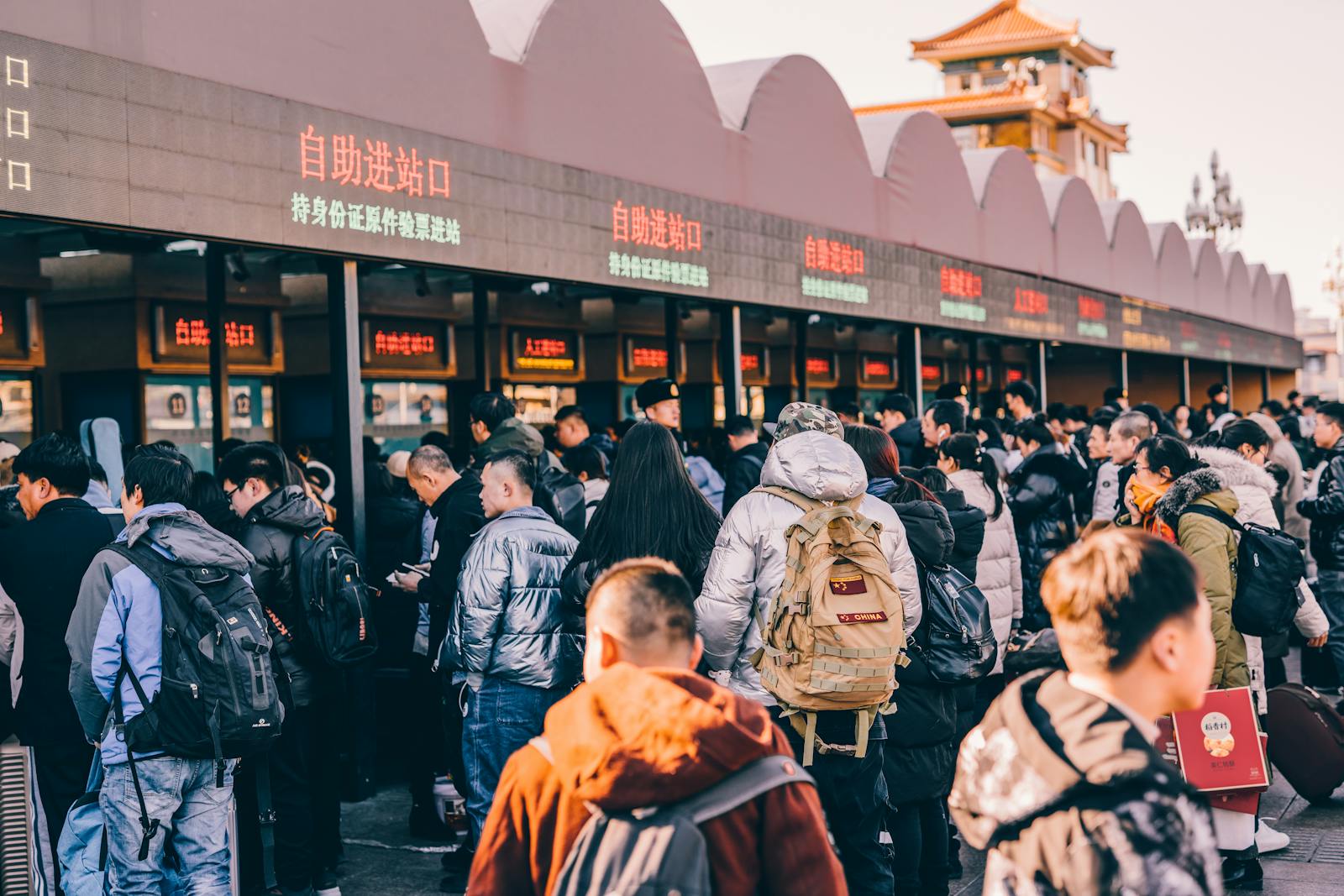
The morning a federal court confirmed what she already knew, Sarah Chen felt nothing like victory. “I cried,” she told friends in a group chat that had become, over six years, less about planning concert outings and more about mourning them. “I cried because I thought about all the shows I just… stopped trying to see.” She had set alarms, coordinated across three devices, watched queue numbers freeze, watched prices spike in real time, and eventually stopped going to arena shows altogether — not because she couldn’t afford them, but because the act of trying to buy a ticket had become psychologically unbearable. When the verdict landed, it didn’t feel like vindication. It felt like a doctor naming a disease you’ve been living with for years. It felt like grief.
Chen is not unusual. When news emerged about legal action against Live Nation, fans across the country described the same dissonance: a legal system finally catching up to something they had absorbed into their bodies long ago. The antitrust case turned on a specific legal question — whether Live Nation exerted monopolistic pressure across ticketing, venue management, and artist promotion, including by threatening to withhold concerts from venues that refused exclusive Ticketmaster contracts — and the detailed findings documented in court filings confirmed what millions already felt. Jeffrey Kessler, lead counsel for the plaintiffs, called the developments significant. Live Nation has indicated plans to appeal. Legal remedies remain under consideration, including breaking up the company or forcing divestitures.
That is the legal story. The cultural story is different, and it is a story about grief — not the grief of losing a loved one, but the grief of watching something you loved become something that hurts you. It has been playing out in living rooms and group chats for a decade, and the verdict did not resolve it. It only gave it a name.
What fans describe, again and again, is the transformation of a joyful act into an adversarial one. “I used to buy tickets on a whim,” one fan wrote. “Now I treat it like filing taxes. I block out the morning. I have three devices open. I coordinate with friends about which seats we’re targeting. I watch queue numbers freeze for hours, and by the time I get through, only the dynamically-priced seats are left — hundreds more than I’d planned to spend. And at the end of it, I’m exhausted and I don’t even feel excited anymore. I feel relieved.” Others describe simply walking away: families who stopped seeing their favorite artists, lifelong concert-goers who retired from arena shows, fans who discovered that the psychological cost of participation had quietly exceeded the financial one.
Relief is not the emotion a concert ticket is supposed to produce. Neither is retirement. And this is the core of why the verdict registers as grief rather than vindication: the harm it describes is not primarily financial. It is emotional, structural, and — for many fans — already complete.
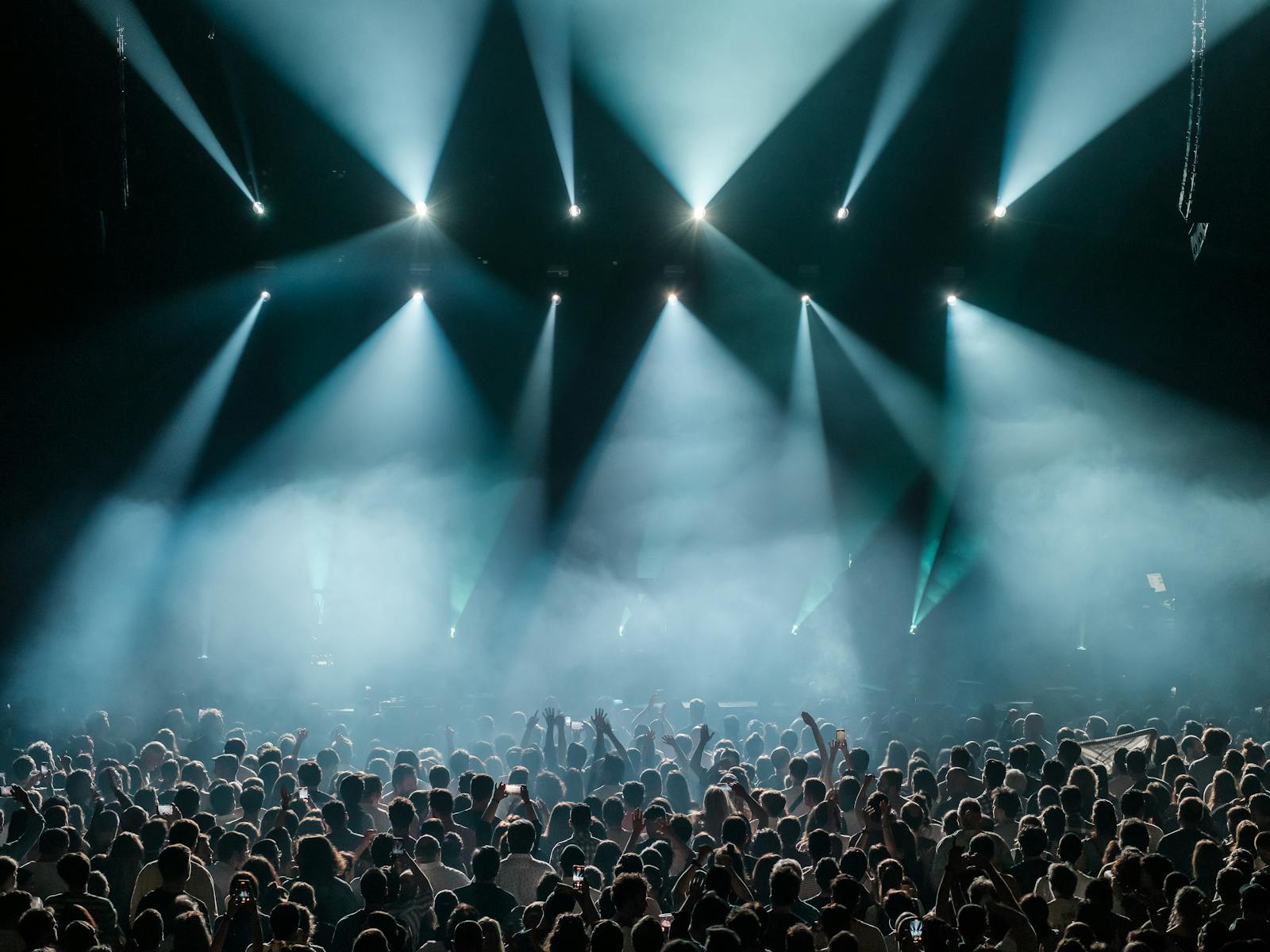
What fans are describing maps closely to what researchers call learned helplessness — the psychological state produced by repeated exposure to systems you can see are rigged but cannot change. It appears to be a defining feature of the current live entertainment era. The old contract between fans and live music was simple: you paid a fair price, you got a seat, you had an experience. The new contract is adversarial. You are in competition with bots, resellers, dynamic pricing algorithms, and the venue’s own decision to hold back inventory for premium packages. The fan is no longer the customer. The fan is the product being sorted by willingness-to-pay.
This is why the verdict reads differently depending on where you stand. From inside a courtroom, it is a significant legal finding. From inside a group chat where people have been sharing screenshots of error messages for six years, it is a belated acknowledgment of something that already reshaped how they relate to music. The grief is not about what’s coming. It’s about what already happened.
Recent settlement discussions have added another layer. Reports suggest proposed terms could include caps on exclusivity contracts and service fees, as well as divestitures from certain booking arrangements. Political figures have expressed concerns about the adequacy of such measures. Some lawmakers have argued that partial measures will prove insufficient, pointing out that previous regulatory actions were ineffective, with the company finding ways to circumvent restrictions and expand further. Critics argue that breaking up the company may be the only path to restoring meaningful competition in the ticketing, venue, and promotion markets.
That analysis addresses the corporate mechanics. It also describes something larger: a recognition, shared across the political spectrum, that market concentration in cultural industries produces a specific kind of consumer despair. It is the despair of realizing that the thing you love — live music, a shared room full of strangers singing the same chorus — has been financialized so completely that participating in it feels like losing.
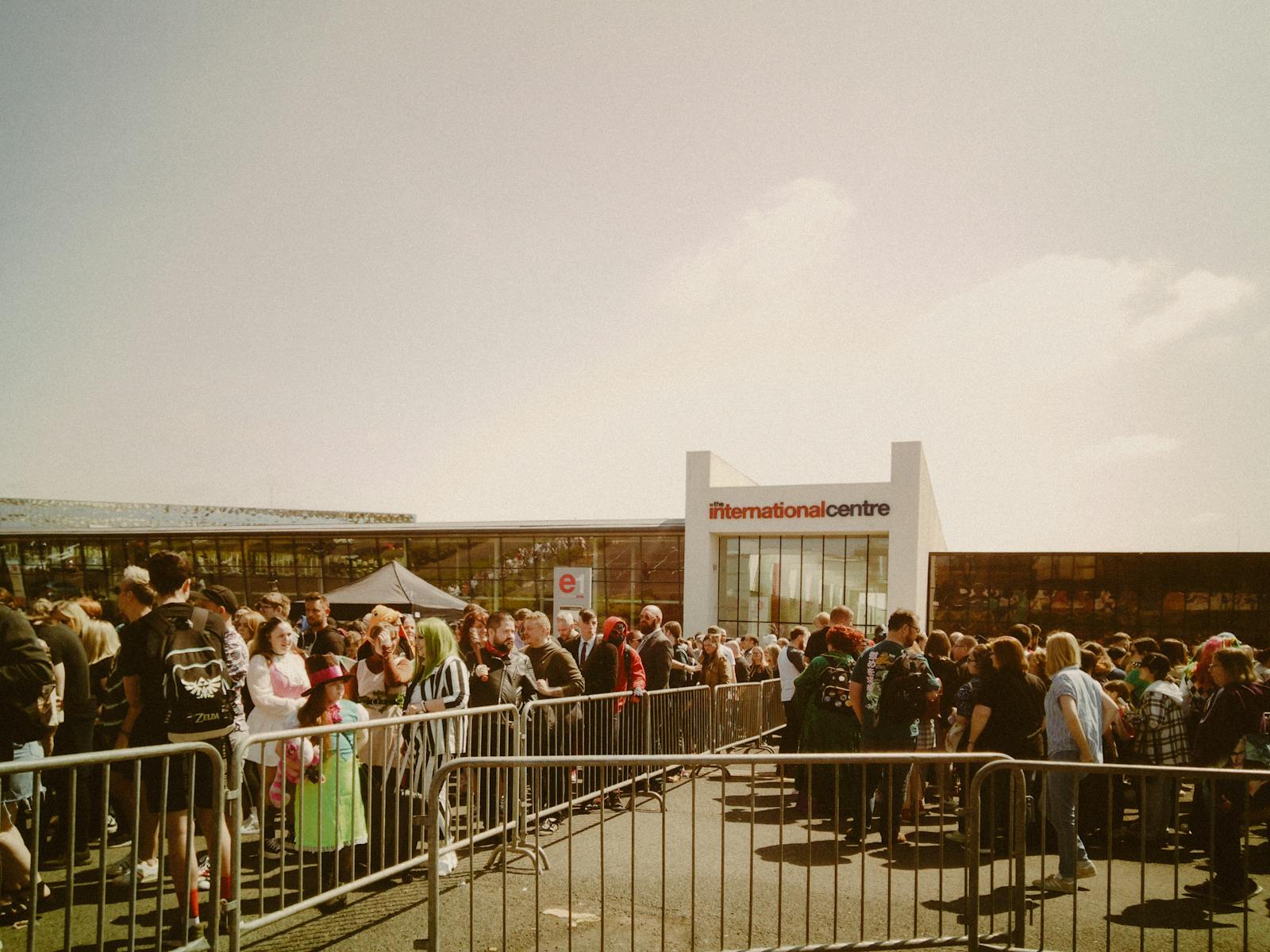
This is why damages calculations land so strangely. Multiplied across millions of tickets, they become hundreds of millions in damages. But multiplied across the emotional experience of trying to see a band you love, they become something harder to measure. They become the feeling of being processed. Courts can quantify overcharges. They cannot quantify the moment a teenager watches ticket prices spike past what her family can afford for an artist whose songs are about families like hers — the working-class laureate priced out of reach of his own audience.
That particular dissonance is not Live Nation’s fault alone. Artists set guarantees. Dynamic pricing was, in several high-profile cases, approved by the artists themselves. But the infrastructure that makes dynamic pricing possible, the ticketing-venue-promotion triple lock, has been the target of regulatory scrutiny. The system was built collaboratively. The grief it produces is borne individually.
There is a reason the Ticketmaster backlash has been so durable and so cross-generational. The small rituals of modern life — the group chat coordination, the alarm set for 9:58 a.m., the screenshot sent to a friend showing the error message — have become shared vocabulary. When fans have testified before Congress, they were not articulating an economic grievance. They were articulating a grief. And grief, unlike an economic argument, does not resolve when the court rules in your favor. It lingers. It has already changed you.
Whether courts order a breakup, whether appeals succeed, whether regulatory review produces meaningful reform — all of this remains open. The company has survived regulatory threats before. The 2010 merger faced oversight requirements that critics argue were never adequately enforced.
The thing worth holding onto, as legal proceedings unfold, is what the case revealed about how markets this concentrated feel from the inside. Not as policy failures, but as private losses — the show you stopped trying to see, the tradition you let go of, the excitement that curdled into dread. These are not stories about money. They are stories about a relationship between fans and live music that has been quietly, structurally broken, and legal proceedings that finally acknowledge what everyone standing in a digital queue already knew.
The legal process does not fix it. A breakup might not fix it. What it does, for the first time in a long time, is acknowledge that the way it feels to buy a concert ticket in 2026 is not an accident. It was built. And because it was built, it can, in theory, be unbuilt.
Whether it will be is a different question. And the people who have spent a decade watching the queue number not move — the people for whom this verdict arrived not as triumph but as a long-delayed diagnosis — already know not to get their hopes up. That, too, is part of the grief: the knowledge that even when the system is finally called what it is, the years inside it don’t come back.