
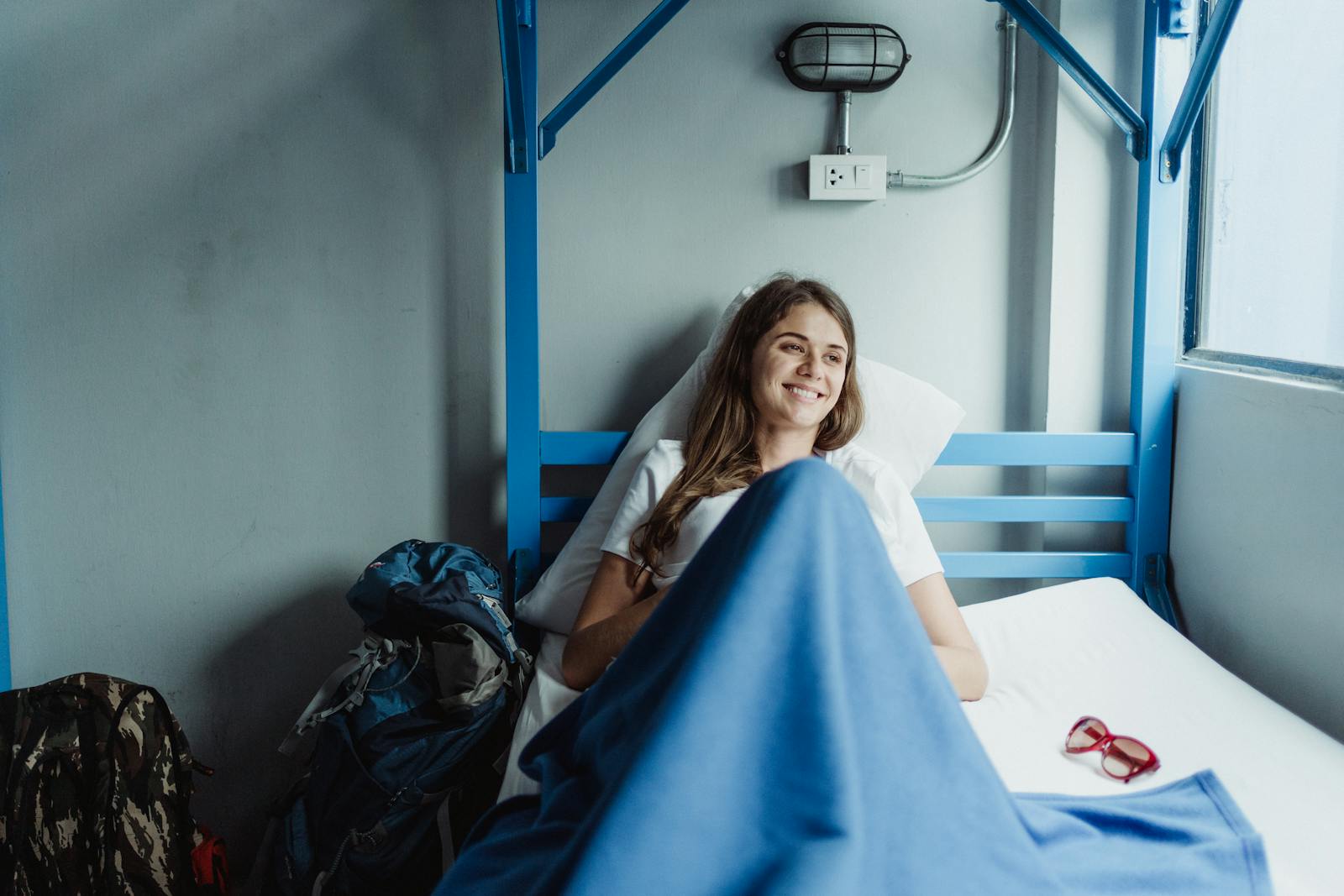
As clocks spring forward this weekend — stealing yet another hour from already-depleted adolescents — new reporting from NPR is reframing a conversation most parents thought they’d already settled. The culprit behind the teen sleep crisis, it turns out, isn’t primarily the glowing rectangle on your kid’s nightstand. It’s something far more structural, far less satisfying to blame, and far harder to confiscate at 9 p.m.
According to NPR’s reporting, research suggests teens are sleeping less than ever — and while screens certainly play a role, the primary drivers are a tangle of early school start times, overscheduled lives, and a biological reality that most school systems continue to ignore: research indicates that adolescent circadian rhythms physically shift during puberty, making it very hard for most teenagers to fall asleep before 11 p.m. This isn’t laziness. It’s endocrinology.
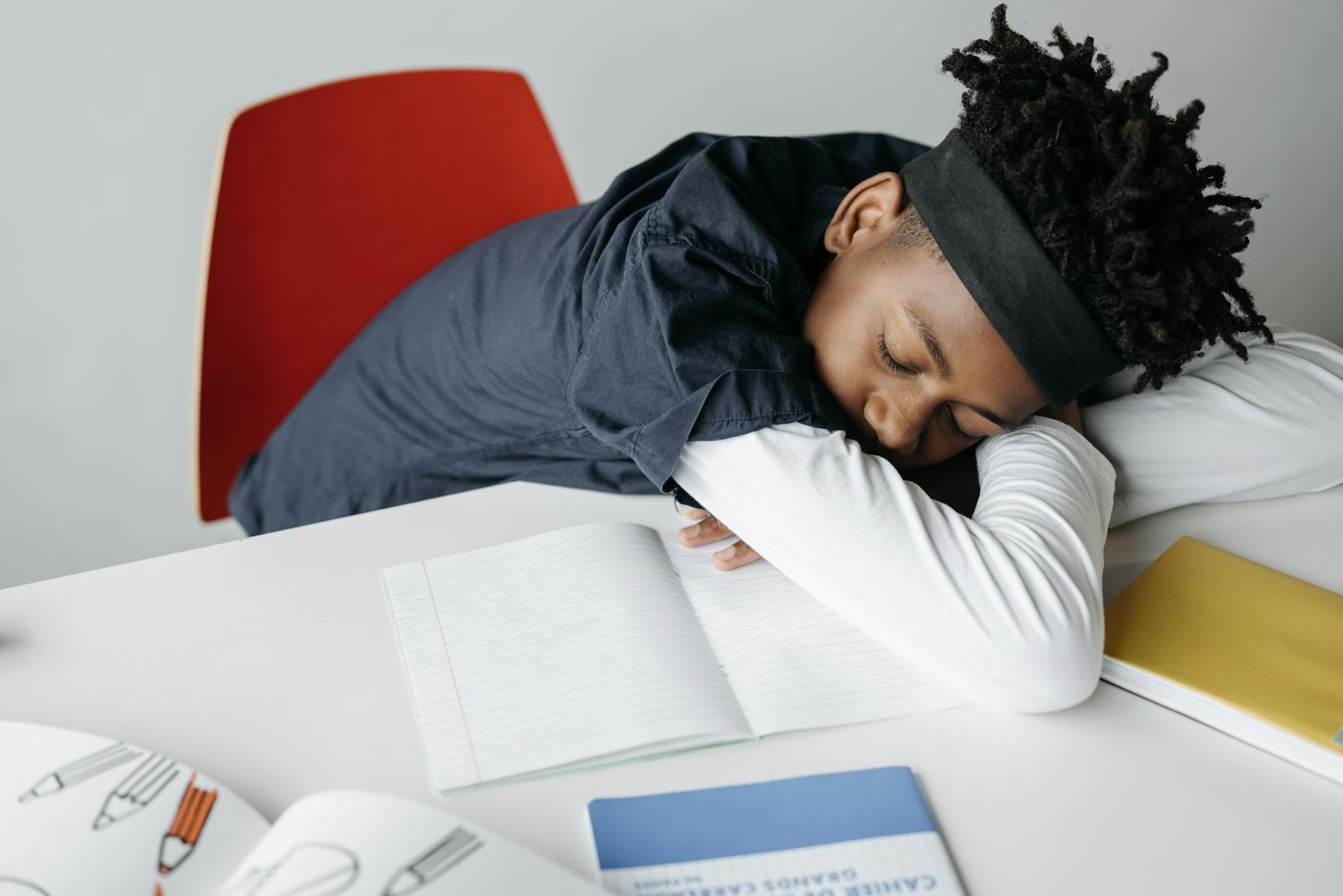
The timing of this reporting matters. Daylight saving time begins this weekend, March 8, 2026, compounding what researchers have long identified as a chronic sleep deficit among American adolescents. Recent research in JAMA — an analysis of roughly 121,000 high-schoolers in the Youth Risk Behavior Survey — confirms that teens are not getting nearly enough sleep: 77% reported seven hours or less on school nights in 2023, up from 69% in 2007 — and the consequences extend well beyond grogginess in first period. We’re talking about cognitive decline, emotional dysregulation, and vulnerability to depression at rates that should alarm every school board in the country.
Yet the dominant cultural narrative remains stubbornly fixed on phones. Take them away and the problem solves itself — that’s the story we tell. It’s clean. It’s actionable. It gives parents a villain with an off switch. And it’s incomplete to the point of being misleading.
Here’s what the research actually suggests: screen time is a contributing factor, but it sits downstream of more powerful forces. Adolescent biology demands a later sleep onset. School schedules — with many schools starting early in the morning — demand the opposite. The result, according to NPR’s analysis, is a structural mismatch between when teens can sleep and when society lets them. Screens fill the gap that this mismatch creates. A teenager lying awake at 11:30 p.m. because their melatonin hasn’t peaked yet will, predictably, reach for a phone. The phone didn’t cause the wakefulness. The wakefulness invited the phone.
This distinction matters enormously — because policy follows narrative. When we frame the teen sleep crisis as a screen problem, we get phone bans and parental control apps. When we frame it as a scheduling problem rooted in biology, we get later school start times, restructured extracurricular commitments, and a fundamentally different conversation about what adolescent wellbeing actually requires.
A study reported last month linked teen sleep and exercise habits, finding that Minnesota ninth-graders who slept longer spent less of their day sedentary — about 26 fewer minutes on weekdays per extra hour of sleep — without losing meaningful physical activity. More sleep didn’t crowd out movement; it displaced sitting around.
I’ve written before about how environmental factors we rarely consider shape mental health in ways that resist simple explanations. Teen sleep follows the same pattern. The causes are systemic — embedded in how we’ve designed school days, athletic seasons, college admissions pressure, and the entire architecture of adolescent life in the United States. Blaming screens is like blaming the thermometer for the fever.
There’s a psychological tendency worth naming here — we gravitate toward explanations that offer us control. Screens are something parents can regulate. Puberty-driven circadian shifts are not. School board policies feel immovable. A phone, by contrast, can be locked in a drawer. The appeal of the screen narrative isn’t that it’s accurate — it’s that it’s actionable at the individual level. And that sense of agency, however misplaced, feels better than confronting a systemic problem that requires collective action.
None of this means screens are harmless. Research indicates that blue light can impact melatonin suppression. The dopamine loops of social media are real. But positioning screens as the primary driver lets institutions off the hook — school districts that refuse to push start times later, athletic programs that schedule 6 a.m. practices, a college admissions culture that rewards overscheduling to the point of physical breakdown. These are the structural forces compressing adolescent sleep into an impossibly narrow window, and no phone ban addresses them.
The NPR report arrives at a moment when the daylight saving transition will make the problem measurably worse. That lost hour hits hardest in the days immediately following the change — and for teens already running on five or six hours, moving the clock forward doesn’t just feel bad. It pushes already-stressed systems closer to crisis. Studies suggest that sleep deprivation in adolescents can cause cognitive impairment comparable to mild intoxication — degraded memory consolidation, reduced emotional regulation, compromised decision-making.
The downstream effects touch everything. As I explored in a recent piece on ADHD subtypes, diagnostic accuracy depends on clinicians understanding the full context of a patient’s functioning — and research suggests that chronic sleep deprivation can mimic ADHD symptoms closely enough to muddy assessments. A sleep-deprived teenager presenting with inattention and impulsivity might receive a diagnosis — and medication — for a condition they don’t have, because nobody asked what time they wake up for school.
Parents navigating this terrain face a particular kind of helplessness. The parent-child dynamic around sleep often becomes adversarial — confiscating devices, enforcing bedtimes that conflict with biology, interpreting resistance as defiance rather than physiology. The screen narrative gives parents a battle to fight. The biological narrative gives them something harder: a problem they can’t solve alone, that requires advocating for systemic change while managing their teenager’s wellbeing in a system designed to undermine it.
What the research keeps pointing toward — across multiple studies and the growing body of evidence — is that teen sleep deprivation is primarily a design failure. We designed school schedules around adult work hours, not adolescent biology. We designed extracurricular culture around college admissions, not human development. We designed the conversation around screens because screens are visible, tangible, and blame-able in ways that institutional inertia is not.
The honest reckoning here isn’t about taking phones away or giving them back. It’s about sitting with the uncomfortable recognition that we’ve built a system that structurally prevents teenagers from getting the sleep their developing brains require — and then blamed them for coping with the tools at hand. The phone in the dark at midnight is a symptom. The alarm at 6:15 a.m. is the disease.
And until that distinction drives policy rather than parental guilt, every spring forward will just compress the crisis a little tighter.