
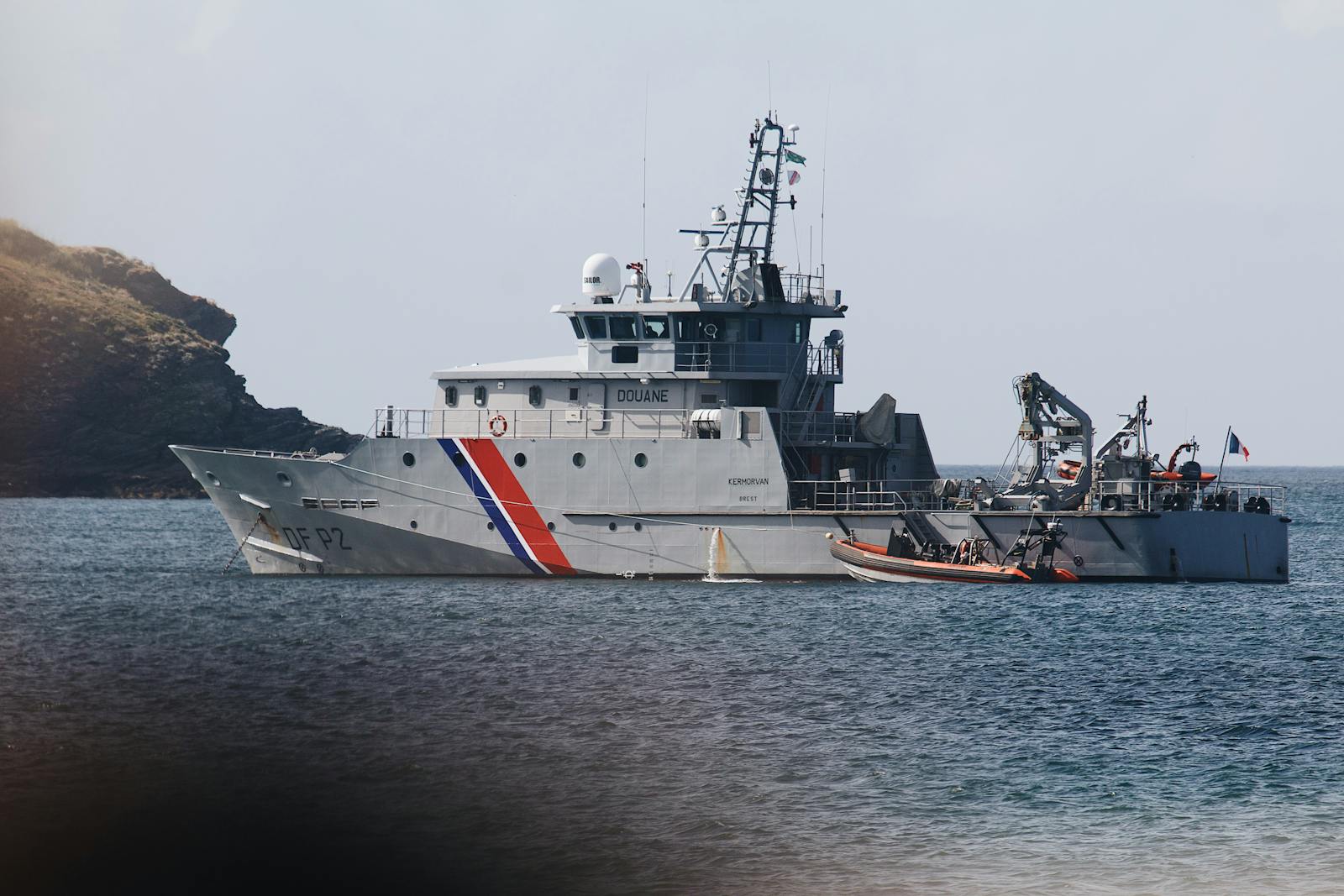
On the morning of March 14, 2026, a fishing panga carrying six men left the port of Esmeraldas, Ecuador, heading into Pacific waters where yellowfin tuna run close to the surface. According to testimony submitted to the Inter-American Commission on Human Rights by attorneys representing the families, the boat was intercepted by a U.S. Navy vessel conducting operations under what the Department of Defense has designated Operation Southern Spear. The fishermen were ordered to stop. Attorneys say they did stop. The vessel opened fire. Four of the six men were killed. The youngest was nineteen.
That incident is one of at least thirty-seven documented in petitions filed with the IACHR since September 2025, when Operation Southern Spear expanded military interdiction operations across the Caribbean and Eastern Pacific. The petitions, compiled by a coalition of human rights organizations including the ACLU and the Center for Constitutional Rights, detail attacks on fishing vessels, migrant boats, and suspected smuggling craft. The compiled case files document approximately 170 civilian deaths — a figure drawn from witness testimony, hospital intake records in coastal communities across Colombia, Ecuador, Jamaica, and the Dominican Republic, and communications intercepts referenced in filings. In at least twenty-three of the documented cases, petitioners allege there was no warning before fire was opened. In others, warnings were given but the vessels had no capacity to comply — engines disabled, radios broken, crews that did not speak English.
The families of the dead have, in many cases, received nothing — no notification, no explanation, no remains. Human rights attorneys working with the IACHR have described submitting documentation on behalf of these families, only to receive automated acknowledgments with no follow-up. The silence itself, they say, is a kind of answer.
The silence has a source. The U.S. State Department has been actively pressuring the IACHR to avoid investigating these strikes. The pressure is not subtle. The State Department has argued publicly that the IACHR lacks the authority to review these operations. The position, as stated in a formal communication to the Commission, is that the IACHR lacks the competence to review these matters, and that convening hearings under these circumstances risks undermining the credibility of the inter-American human rights system.
Read that sentence again. The argument is that investigating potential human rights violations would undermine the system designed to investigate human rights violations.
This is not rhetorical confusion. It is a specific kind of institutional logic. And it works because the institution in question depends, financially, on the cooperation of the state it is being asked to scrutinize.
Former foreign service officers who worked at the U.S. Mission to the Organization of American States have described the period during Trump’s first term when U.S. contributions to the IACHR dropped sharply. The funding cuts functioned as an implicit warning — demonstrating the consequences of zero funding ensured that future financial support carried implicit expectations. The United States is the largest financial contributor to the OAS system. When it withdrew funding, at least 22 OAS programs saw their budgets cut or terminated. This institutional memory shapes how organizations respond when they risk displeasing their patron.
The dynamic has a name in political science: financial conditionality. But the cleaner term, borrowed from behavioral economics, is the dependency trap. An entity that relies on a single dominant funder cannot behave as though it is independent, even when its mandate requires independence. The contradiction isn’t a bug. It’s the architecture.
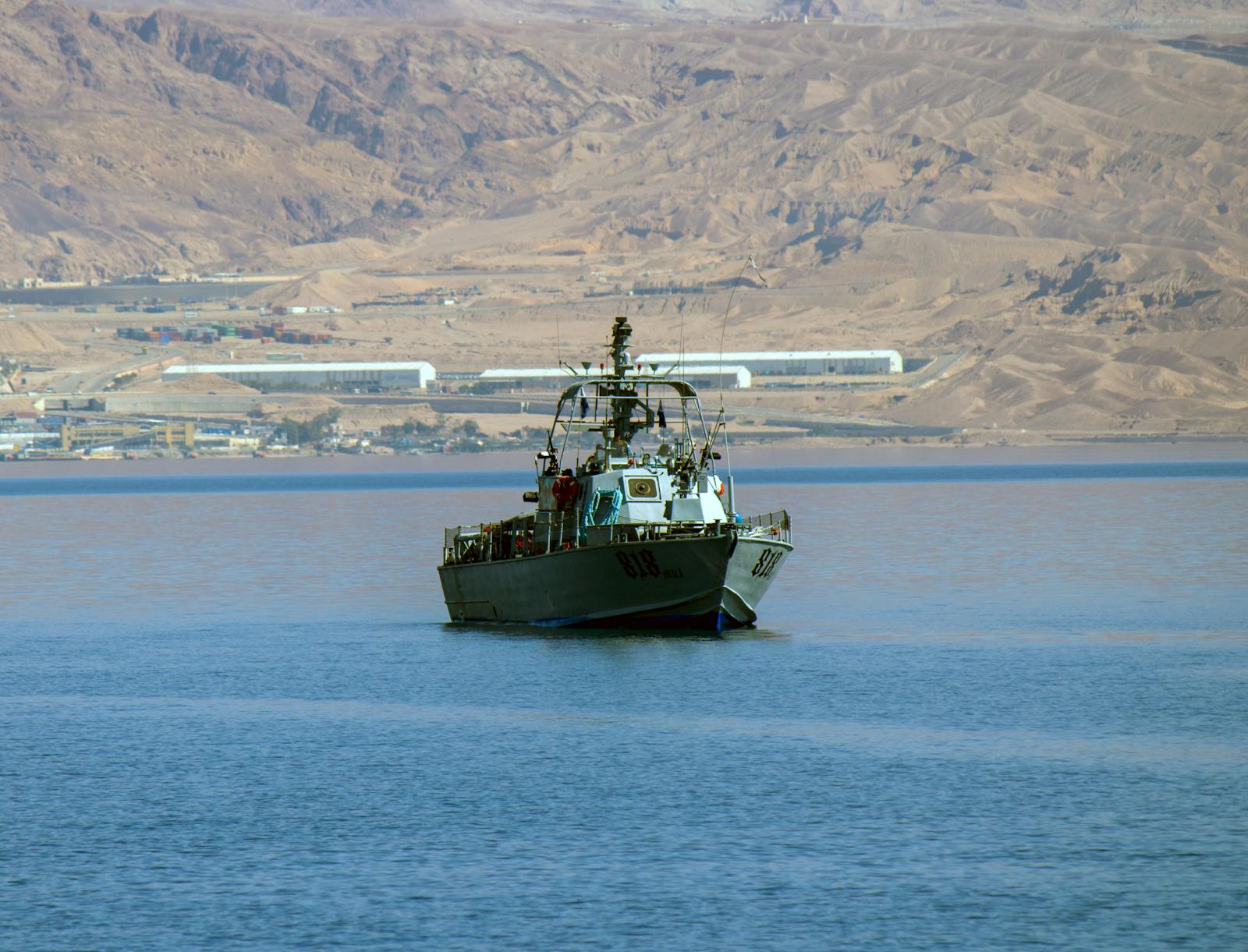
Juan Méndez, the former president of the Inter-American Commission on Human Rights, has characterized similar military operations with directness, describing them as killing people who may be engaged in illegal action but noting that if it is a law enforcement issue, authorities cannot simply kill them but must attempt to arrest them. His framing matters because it collapses the rhetorical distance governments try to maintain between “counternarcotics operations” and “extrajudicial killings.” The distinction between the two categories is not operational. It is linguistic. A different label on the same act.
Méndez has also identified the core bind facing the Commission: the risk that taking initiative on sensitive investigations could incur the wrath of the United States. The Commission is stretched for funding, and if the United States cuts funding, operations could be severely curtailed.
The threat is not reduction of operations or limited scope, but potentially ceasing to function. The human rights body for the Western Hemisphere could shut down because the country responsible for alleged violations controls its budget.
The IACHR did hold a hearing examining the legality of boat strikes. The Commission expressed concern about the operations. Organizations including the ACLU argued that the attacks were conducted without congressional authorization and violated international law on the use of force. U.N. officials have characterized such operations as responding with lawless violence that violates human rights. The hearing happened. But what follows the hearing is where the financial pressure does its work.
The State Department instructed the IACHR that it should not have convened the hearing at all. The message is clear: the Commission can exist, but only within boundaries the U.S. defines. Investigation of American conduct sits outside those boundaries.
Political risk analysts note that while the structural conflict is widely recognized as problematic, institutional behavior continues as if this conflict has no influence on outcomes. Observers have tracked how IACHR investigations correlate with the political alignment of the countries being investigated. Cases involving Venezuela, Cuba, and Nicaragua proceed with relative speed. Cases involving the United States or its close allies tend to stall, slow down, or die without explanation. This is not a conspiracy. It is a funding model operating as designed.
We have previously examined how authoritarian states manage the appearance of cooperation with international systems while hollowing them out from within. The mechanism here is the same, applied by a democracy. The IACHR’s mandate is real. Its funding structure makes exercising that mandate selectively suicidal.
Meanwhile, the families in Esmeraldas, in Kingston, in Cartagena, in Santo Domingo have no body to petition that is both willing and able to hear them. The attorneys who filed on their behalf describe a process designed to exhaust: automated replies, jurisdictional objections, procedural delays that outlast the lifespans of the petitioners themselves. One attorney working the cases out of Quito described a mother who has called his office every week for four months asking whether anyone has read the file on her son. He has no answer for her. The institution that should provide one is deciding whether providing it is worth the cost of its own survival.