
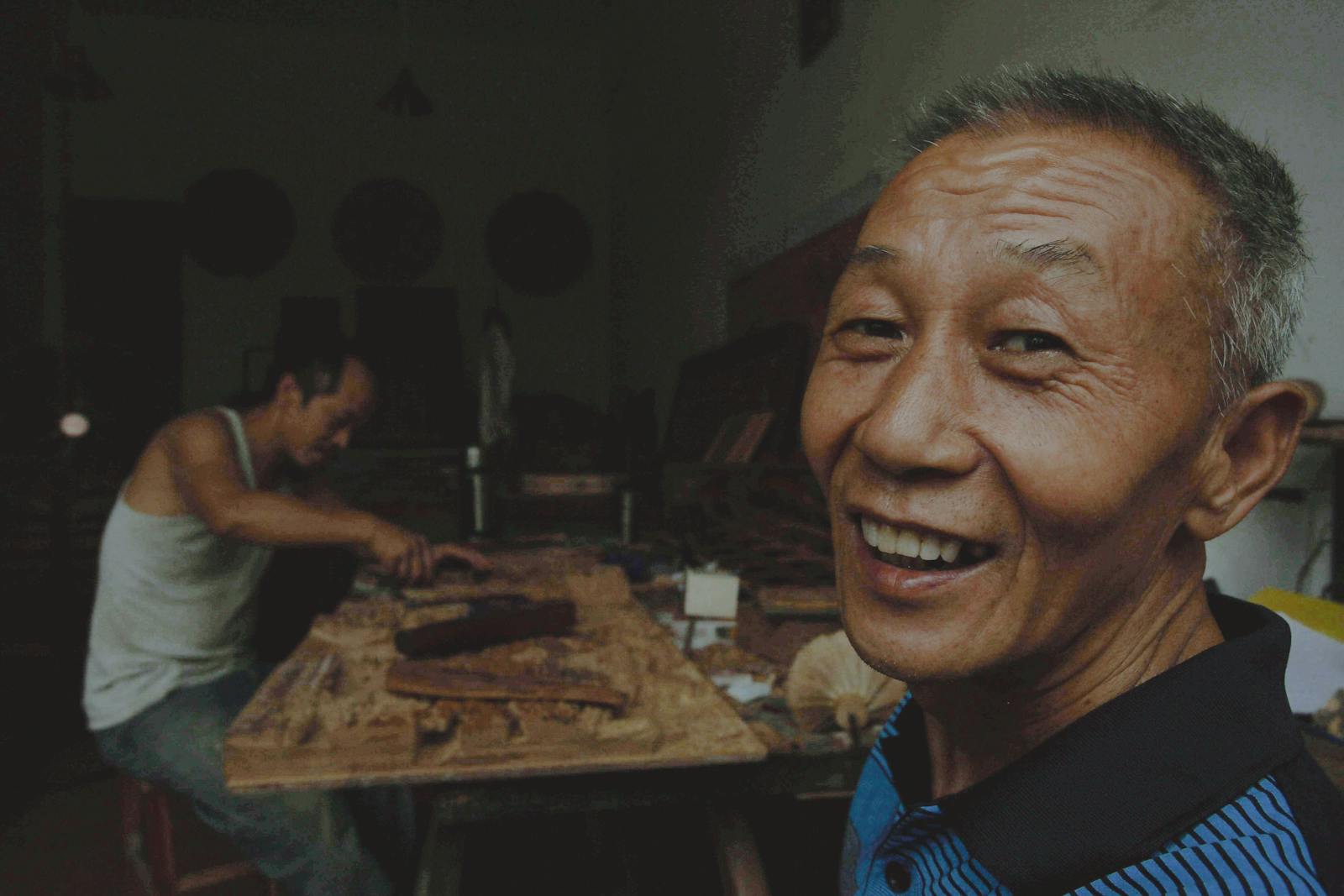
Gloria Ramirez turned 89 last March. She still drives herself to a weekly book club in Tucson, argues passionately about local zoning laws at city council meetings, and recently taught herself to use Canva so she could make flyers for her neighborhood association. Her doctor calls her a super-ager. Her granddaughter calls her “terrifying in the best way.” When I asked Gloria what she credits for her sharpness, she didn’t mention her daily walks or her Mediterranean-ish diet. She said, “I never stopped being furious about things that matter.”
That word, furious, stuck with me. Because it runs directly against the cultural script we’ve written for aging gracefully: slow down, find peace, let go, accept. Gloria hasn’t accepted anything. She’s 89 and she’s still fighting. And according to a growing body of neuroscience, that fight might be exactly what’s keeping her brain alive.
The term “super-ager” was coined by neurologist Marsel Mesulam at Northwestern University to describe people over 80 whose memory performance matches or exceeds that of people in their 50s and 60s. When researchers at Northwestern’s SuperAging Research Program began scanning the brains of these individuals, they expected to find the usual suspects: good genes, healthy habits, maybe some luck. What they found instead was something stranger. Super-agers had significantly thicker cortices in regions associated with emotional processing, particularly the anterior cingulate cortex. Their brains didn’t just resist cognitive decline; they maintained the neural architecture of emotional intensity.
The trait that kept surfacing in psychological profiles wasn’t optimism. It wasn’t calm. It was effortful engagement: the willingness to persist through mentally and emotionally challenging experiences rather than retreating from them.

This is where the longevity conversation gets uncomfortable. We’ve spent decades optimizing the body for aging. We know about telomeres and antioxidants and the DASH diet’s surprising effects on cognitive decline. We track steps and supplement stacks (sometimes to our own detriment). But the super-ager research suggests that the brain ages best when it’s kept in a state of productive discomfort. The kind of discomfort most people spend the second half of their lives trying to eliminate.
Take Raymond Chen, 76, a retired electrical engineer in Portland who volunteers as a mentor for first-generation college students. Raymond told me that after he retired at 68, the first two years were “a fog.” He played golf. He watched documentaries. He felt himself dimming. Then a friend dragged him to a mentorship orientation at a local community college, and he found himself in a room full of 18-year-olds whose life experiences were nothing like his. “I couldn’t coast,” he said. “They challenged every assumption I had. I had to actually think.” Raymond’s cognitive assessments, according to his physician, have improved measurably since he started mentoring. He’s sharper now than he was at 70.
Psychologist Lisa Feldman Barrett, one of the lead researchers in the Northwestern super-ager studies, has been blunt about this. In a widely cited New York Times piece, she wrote that the common denominator among super-agers is their willingness to endure the unpleasant sensation of mental effort. The yuck factor, as she calls it. The moment when your brain is straining and every instinct tells you to stop. Super-agers push through that threshold. Everyone else changes the channel.
There’s a concept I think about often: what I’d call cognitive surrender, the gradual, often invisible process by which people stop exposing themselves to experiences that require genuine mental or emotional labor. It rarely looks dramatic. It looks like choosing familiar restaurants. Re-reading the same authors. Avoiding conversations with people who see the world differently. Each individual choice is harmless. Accumulated over years, they create a kind of experiential monotony that the brain reads as permission to prune.
As we explored in a piece about retirees whose phones stopped ringing, the social dimension of this is devastating. Isolation doesn’t just cause loneliness; it removes the primary source of cognitive challenge in most people’s lives: other humans. Other humans who disagree with you, surprise you, frustrate you, force you to update your mental models. Relationships are cognitive workouts disguised as dinner plans.
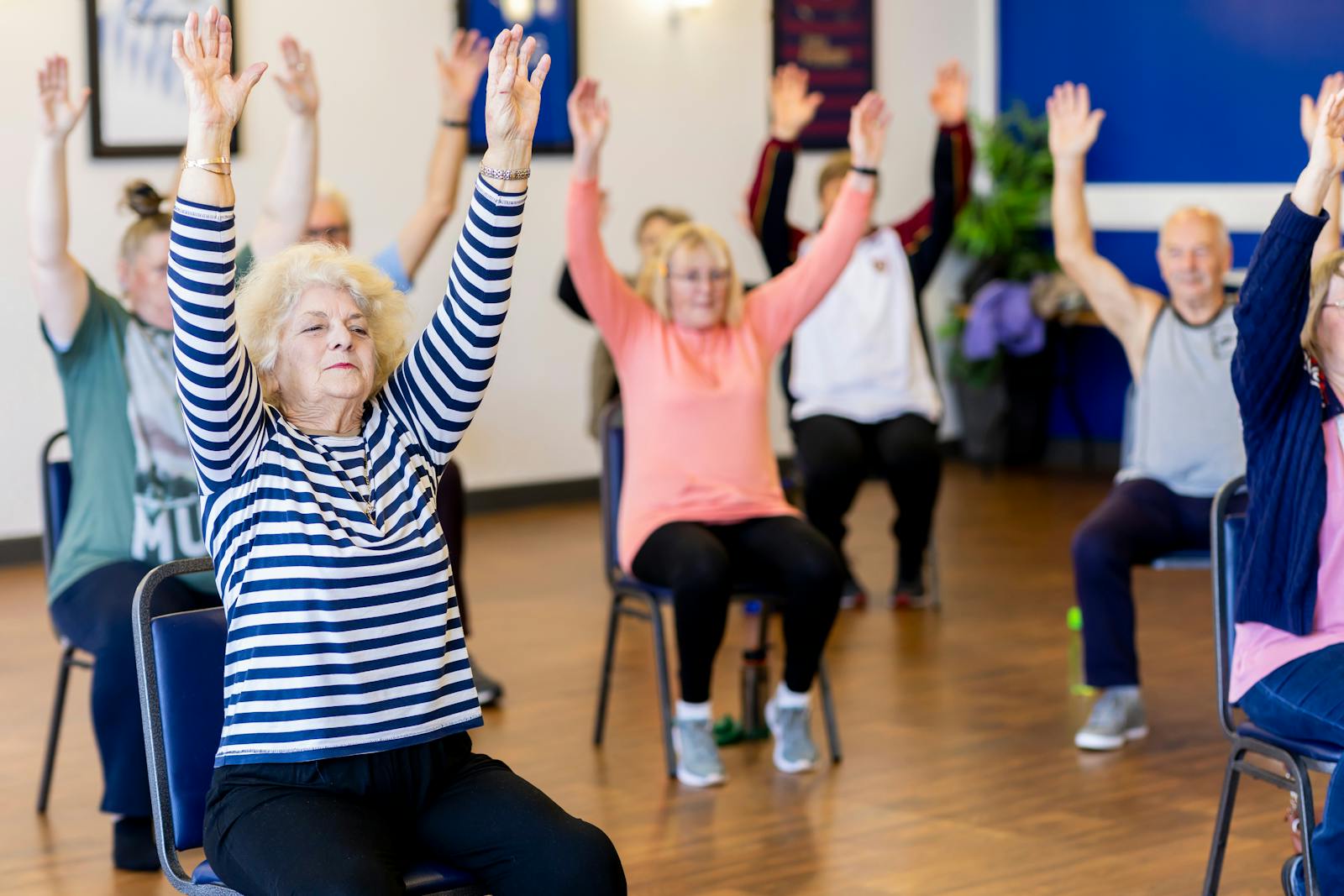
Denise Watts, 83, a former high school principal in Atlanta, put it differently when we spoke. “People my age talk about finding peace like it’s the finish line,” she said. “But peace isn’t a place you arrive at. It’s what happens after you’ve wrestled with something hard. If you skip the wrestling, you don’t get peace. You get emptiness dressed up as calm.”
Denise still serves on the board of a nonprofit focused on literacy in underserved schools. She describes the work as emotionally grueling. Board meetings run long, disagreements get heated, and the problems feel unsolvable. She could easily step away. She doesn’t want to. “The day I stop caring enough to fight about something,” she said, “is the day I start disappearing.”
This resonates with something researchers have observed about the rapid cognitive decline that follows retirement into silence. The absence of daily structure matters. But what seems to matter even more is the absence of stakes: the feeling that something depends on your engagement, that your attention and effort have consequences beyond yourself.
Super-agers aren’t just busy. Plenty of declining older adults are busy with sudoku and gentle yoga. Super-agers are invested. They remain entangled with the world in ways that cost them something. Emotional energy. Mental strain. The occasional argument at a city council meeting.
I keep thinking about the cultural narrative we’ve built around aging well. It’s almost entirely passive: rest more, stress less, protect yourself from difficulty. And there’s wisdom in that, genuinely, when it comes to chronic physiological stress, the cortisol-soaked kind that erodes the body over decades. But we’ve conflated the destructive stress of helplessness with the generative stress of engagement. They are not the same. One corrodes. The other builds.
The super-ager research doesn’t offer a comfortable prescription. You can’t buy effortful engagement in a supplement. You can’t track it on a wearable. It requires something most wellness culture actively discourages: voluntarily choosing difficulty when ease is available. Learning a new language at 75 (something, as we noted in a recent piece about BTS fans in Bogotá, that passion makes possible at any age). Starting a contentious conversation instead of nodding along. Caring about an outcome you can’t control.
Gloria, back in Tucson, told me something I haven’t been able to shake. I’d asked if she ever worried that her intensity, all the arguing and organizing and campaigning, was too much for someone her age. She looked at me the way you’d look at someone who just asked a very silly question.
“Honey,” she said. “The people who decided to take it easy? Half of them can’t remember my name anymore.”
She wasn’t being cruel. She was being precise. And the science, increasingly, is on her side. The brain doesn’t age best when it’s protected from challenge. It ages best when it has a reason to stay sharp, a reason that feels urgent, human, and a little bit hard. The trait that defines super-agers has no supplement, no gene marker, no shortcut. It’s the stubborn, sometimes exhausting refusal to become comfortable with a life that asks nothing of you.
Feature image by Mehmet Turgut Kirkgoz on Pexels